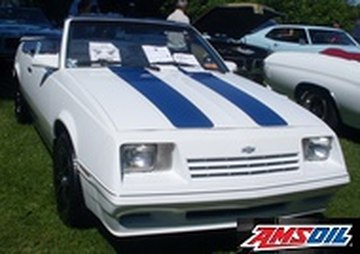
Engine Oil Maintenance for the 1983 Chevrolet Cavalier 2.0L
Maintaining the engine lubrication system is one of the most critical aspects of long-term vehicle care. For owners of a 1983 Chevrolet Cavalier with the 2.0L engine, regular attention to oil quality and levels ensures that internal engine components remain protected against friction and heat buildup.
How often should I change the oil in my 1983 Chevrolet CAVALIER 2.0L?
To determine the correct interval for an oil change, you should follow the owner's manual or the manufacturer maintenance schedule. Do not rely on estimated mileage or timeframes, as the specific requirements for your vehicle are defined by the original manufacturer's guidance.
Understanding Engine Oil Functions
Engine oil serves several vital roles within the 2.0L engine. Primarily, it provides a thin film of lubrication between moving metal parts, such as pistons, crankshaft bearings, and camshafts. This film prevents direct metal-to-metal contact, which would otherwise cause rapid wear and catastrophic engine failure.
Beyond lubrication, oil acts as a coolant by carrying heat away from high-temperature areas in the combustion chamber and lower engine block. It also assists in cleaning the engine by suspending microscopic debris and carbon deposits, carrying them to the oil filter where they can be trapped. Finally, oil helps seal the gaps between piston rings and cylinder walls, contributing to proper compression.
Monitoring Oil Levels Regularly
Checking the oil level is a fundamental maintenance task that should be performed frequently, even between scheduled oil changes. Low oil levels can lead to increased friction, overheating, and inadequate lubrication of critical components.
When checking the level, ensure the vehicle is parked on a level surface. Most vehicles require the engine to be turned off for several minutes to allow the oil to settle in the pan before the dipstick is used. Always use a clean, lint-free rag to wipe the dipstick before reinserting it to get an accurate reading of the fluid level against the minimum and maximum marks.
Identifying Potential Oil Issues
The appearance and smell of your engine oil can provide early warnings regarding engine health. While oil naturally darkens over time due to the accumulation of combustion byproducts, extremely dark or gritty oil may indicate that an oil change is overdue or that there is excessive soot buildup.
If you notice milky or cloudy discoloration in the oil, this can be a sign of coolant entering the lubrication system. Conversely, if the oil level drops rapidly without visible leaks under the vehicle, it may suggest that the engine is consuming oil through worn piston rings or valve seals. Consistent monitoring helps catch these issues before they result in significant mechanical damage.
The Importance of Oil Filter Maintenance
An oil change is not complete without replacing the oil filter. The filter is responsible for removing contaminants such as metal shavings, dust, and carbon from the circulating oil. As a filter becomes saturated with debris, its ability to clean the oil diminishes.
A clogged or inefficient filter can restrict oil flow, potentially starving critical engine components of lubrication. When performing an oil change, always install a new filter to ensure the engine receives the cleanest possible lubricant throughout the next service interval.
Environmental and Storage Considerations
The conditions in which a vehicle is operated can influence how the lubrication system performs. Extreme temperature fluctuations or prolonged idling can affect the chemical stability of the oil. Additionally, if a vehicle is stored for long periods without being driven, moisture can accumulate in the crankcase through condensation. This moisture can mix with the oil, potentially leading to sludge formation. Regular operation helps burn off this moisture and maintains the integrity of the lubrication system.
What engine oil is listed for my 1983 Chevrolet CAVALIER 2.0L?
The following engine oils are listed for this vehicle:
- ASLQT-EA — Signature Series 5W-30 Synthetic Motor Oil
- XLFQT-EA — XL 5W-30 Synthetic Motor Oil
- OEFQT-EA — OE 5W-30 Synthetic Motor Oil
BUYING ENGINE OIL
When it is time to purchase new lubricant for your 1983 Chevrolet Cavalier 2.0L, always refer to the specifications provided in your owner's manual. Ensure that any product you select meets the requirements defined by the manufacturer for your specific engine type. Check the packaging carefully to confirm the oil matches the necessary properties for your vehicle's operation and consult with a qualified parts specialist if you have questions regarding the correct product for your maintenance needs.